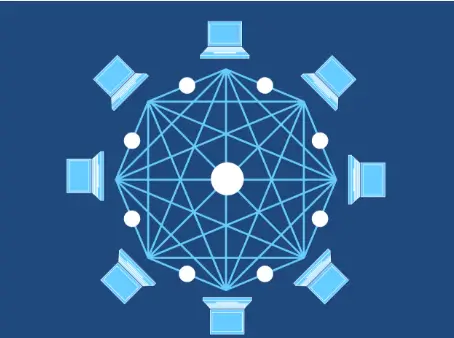

Sustainability in a crypto project rests on accountable governance, transparent disclosures, and durable tokenomics. It requires independent audits, measurable milestones, and adaptive governance that can respond to shifts in risk and opportunity. Clear resource allocation and risk communication support trust, while real-world use cases demonstrate value beyond hype. Security, compliance, and active communities reinforce resilience through cycles. An integrated framework links governance with sustainability, inviting sustained stewardship and disciplined execution to endure.
Foundations of a Sustainable Crypto
The framework emphasizes tokenomics resilience and governance transparency, ensuring clear resource allocation and accountable decision-making.
It highlights independent audits, measurable milestones, and adaptive governance.
This detached lens reveals how deliberate design and disciplined execution sustain trust, resilience, and freedom for participants.
Governance and Transparency That Build Trust
Governance and transparency are the linchpins of trust in a cryptocurrency project, shaping how decisions are made, resources are allocated, and risks are communicated to participants.
The governance audit process documents accountability, while disclosure ethics ensure stakeholders receive accurate, timely information.
Clear channels for feedback and independent verification cultivate resilience, aligning participant autonomy with responsible stewardship and long-term project sustainability.
See also: studypinoy
Tokenomics, Utility, and Use Cases for Resilience
Tokenomics, utility, and use cases are the levers by which a project channels incentives, sustains operations, and demonstrates real-world value.
Tokenomics resilience emerges when supply, governance, and incentives align with long-term health.
Use cases define tangible benefits, guiding adoption and network effects.
Clear token narratives, measurable metrics, and transparent disclosures reinforce trust while balancing freedom, innovation, and responsible growth in decentralized ecosystems.
Security, Compliance, and Community Across Cycles
What ensures a project remains resilient through cycles: security, compliance, and community, or, more precisely, how these elements interlock over time to sustain trust and adoption?
The analysis presents security resilience as a structured precaution—controls, audits, and incident response—paired with compliance governance that aligns with evolving rules.
Together, transparent governance and engaged communities foster durable uptake and freedom-based innovation.
Conclusion
A sustainable crypto project blends accountability, ongoing disclosures, and adaptable governance to weather market shifts. It rests on auditable processes, clear milestones, and disciplined resource use, ensuring participants understand intent and outcomes. Tokenomics align incentives with long-term health, while real-world utility anchors value beyond hype. Security, compliance, and engaged communities form a steady backbone across cycles. In this ecosystem, governance acts as a compass, guiding responsible stewardship—steadfast as a lighthouse amid fluctuating seas.